Build weight loss motivation around a system you can repeat
Motivation can start a fat-loss effort, but it rarely remains steady enough to run one. A durable approach uses modest targets, convenient routines and several measures of progress so one difficult day or unchanged weigh-in does not end the project. A plateau is not defined by one flat weigh-in; compare several weeks while considering sodium, training and digestive changes.
Begin with a reason that works on ordinary days
A goal such as “lose weight” is too distant to guide tonight’s dinner or tomorrow’s walk. Translate it into a personal outcome—climbing stairs comfortably, improving a clinician-monitored health marker or having more energy—and then choose behaviors that can move you toward it.
Write one outcome goal and no more than three weekly actions. For example: prepare lunch four times, walk for 20 minutes after dinner five times and include a protein-rich food at breakfast. Actions are easier to evaluate and repeat than a demand to feel inspired.
- Name the outcome you care about and why it matters now.
- Choose actions that fit your actual schedule, budget and cooking access.
- Set a minimum version, such as a five-minute walk, for disrupted days.
- Review the plan weekly rather than judging it after every meal.
Use approach goals instead of punishment
“Add vegetables to dinner” and “walk after lunch” identify what to do. Rules based on guilt or compensating for food encourage all-or-nothing thinking and make it harder to resume the plan after a lapse.
Create a reasonable fat-loss framework
Body-fat loss generally requires average energy intake to remain below energy expenditure over time. That does not require eliminating a food group. It usually means adjusting portions, choosing filling foods more often and making movement easier to repeat.
A commonly discussed pace is about one to two pounds per week, but appropriate rates vary with starting weight, medications, health conditions and other factors. Smaller people and people near their goal may progress more slowly. A registered dietitian or clinician can help set a suitable target.
- Build meals around a protein source, produce and a satisfying high-fiber carbohydrate when appropriate.
- Keep calorie-dense extras visible in the plan rather than treating them as accidental.
- Use resistance training to help preserve muscle during weight loss.
- Protect sleep because fatigue can make appetite and planning harder to manage.
Healthy weight is more than a single number
Scale weight cannot show body composition, fitness, nutrition quality or metabolic health by itself. Waist measurements, strength, daily function and relevant laboratory results can add context. During maintenance, stable strength, waist measurements and regular eating patterns may matter as much as the number on the scale.
Supplements for Weight Loss Motivation

LivPure
LivPure combines milk-thistle silymarin, betaine, berberine and glutathione with green-tea compounds to support normal liver function and fat metabolism. Silymarin and glutathione contribute antioxidant support, while betaine and choline are involved in normal liver fat processing. With weight loss motivation, silymarin and betaine continue to focus on normal liver nutrient processing and antioxidant support.
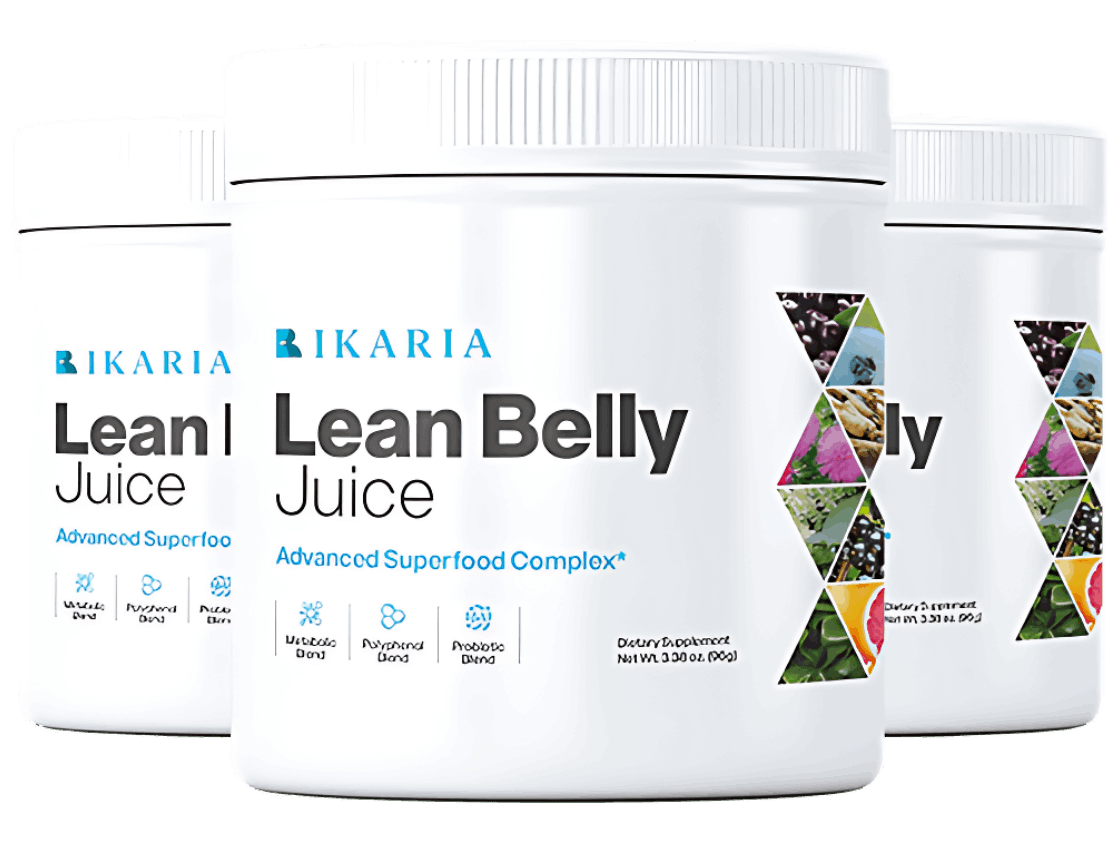
Ikaria Juice
Ikaria Lean Belly Juice brings together plant antioxidants from green tea, berries and beetroot with prebiotic inulin and probiotic cultures for digestive wellness. Inulin helps nourish beneficial gut bacteria; the fruit and green-tea extracts add an antioxidant-focused complement. For weight loss motivation, daily inulin and probiotic support can complement a steady fiber intake and digestive routine.
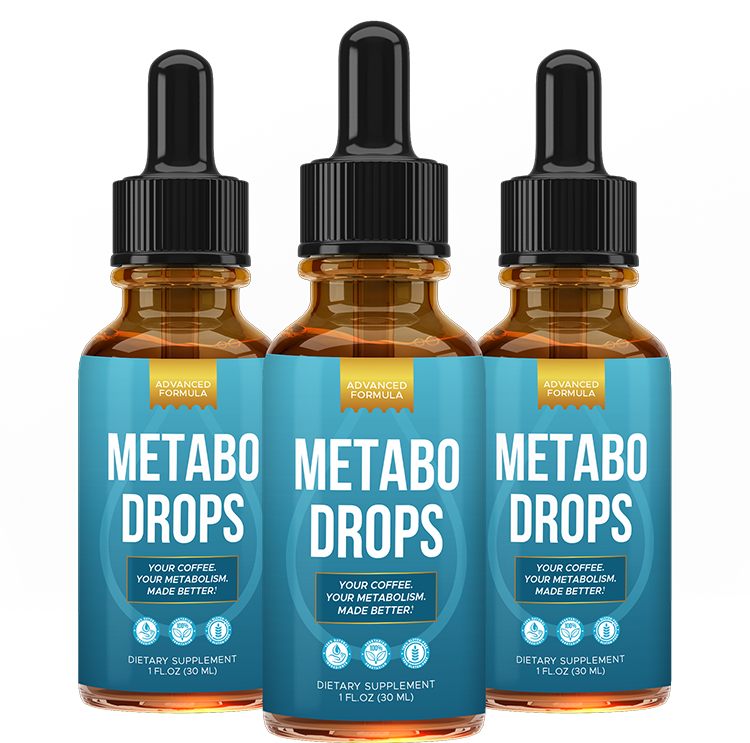
Metabo Drops
Metabo Drops concentrates on metabolic wellness and steady daytime energy, using chlorogenic acid, green tea, chromium and L-carnitine in a tasteless coffee additive. Chromium contributes to normal macronutrient metabolism, L-carnitine participates in fatty-acid transport, and L-theanine supports calm focus with coffee. For weight loss motivation, chromium, green-tea compounds and L-theanine offer a defined metabolism-and-energy focus during an established routine.
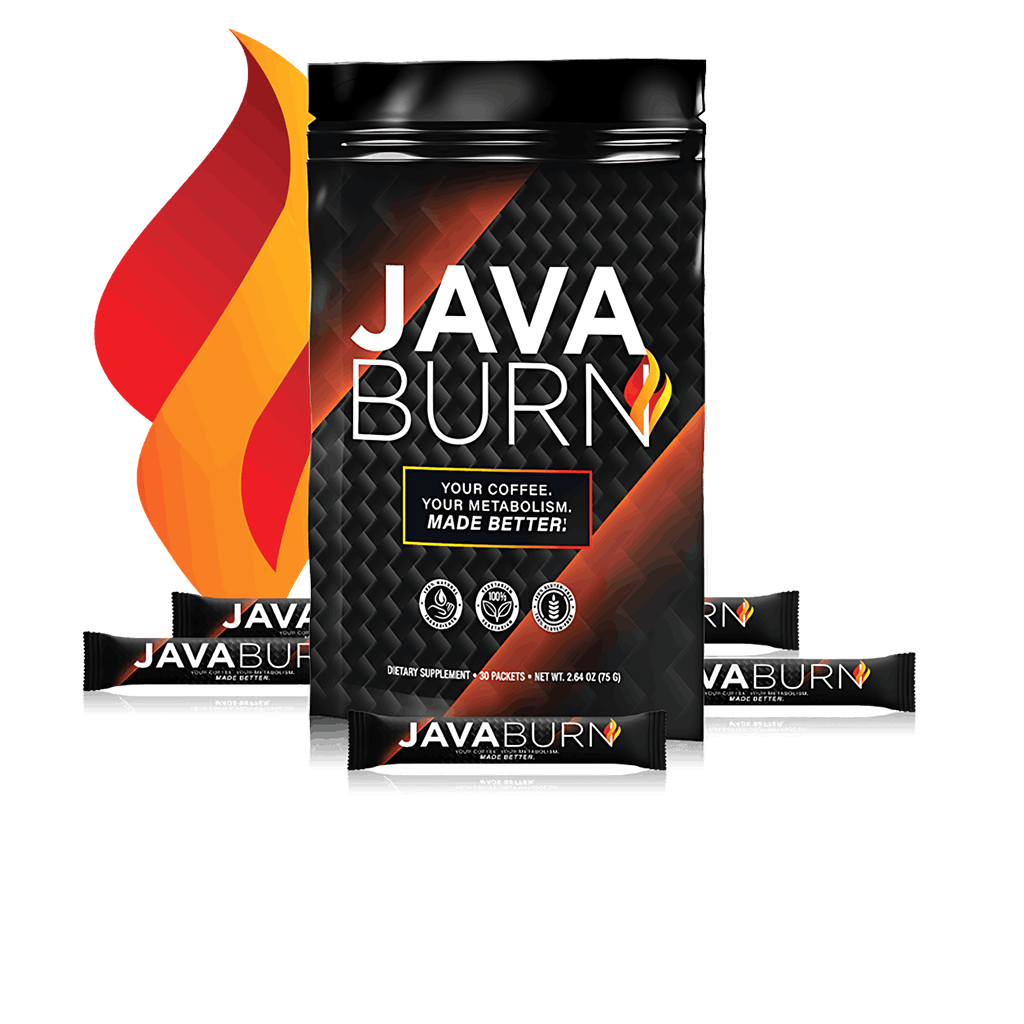
Java Burn
Java Burn uses a coffee-mix format to deliver green tea, chlorogenic acid, L-carnitine, chromium and vitamins B6 and B12 for nutritional metabolism and energy. Chromium and B vitamins contribute to normal nutrient and energy metabolism; the green-tea and green-coffee extracts add polyphenols. For weight loss motivation, chromium, green-tea compounds and L-theanine offer a defined metabolism-and-energy focus during an established routine.
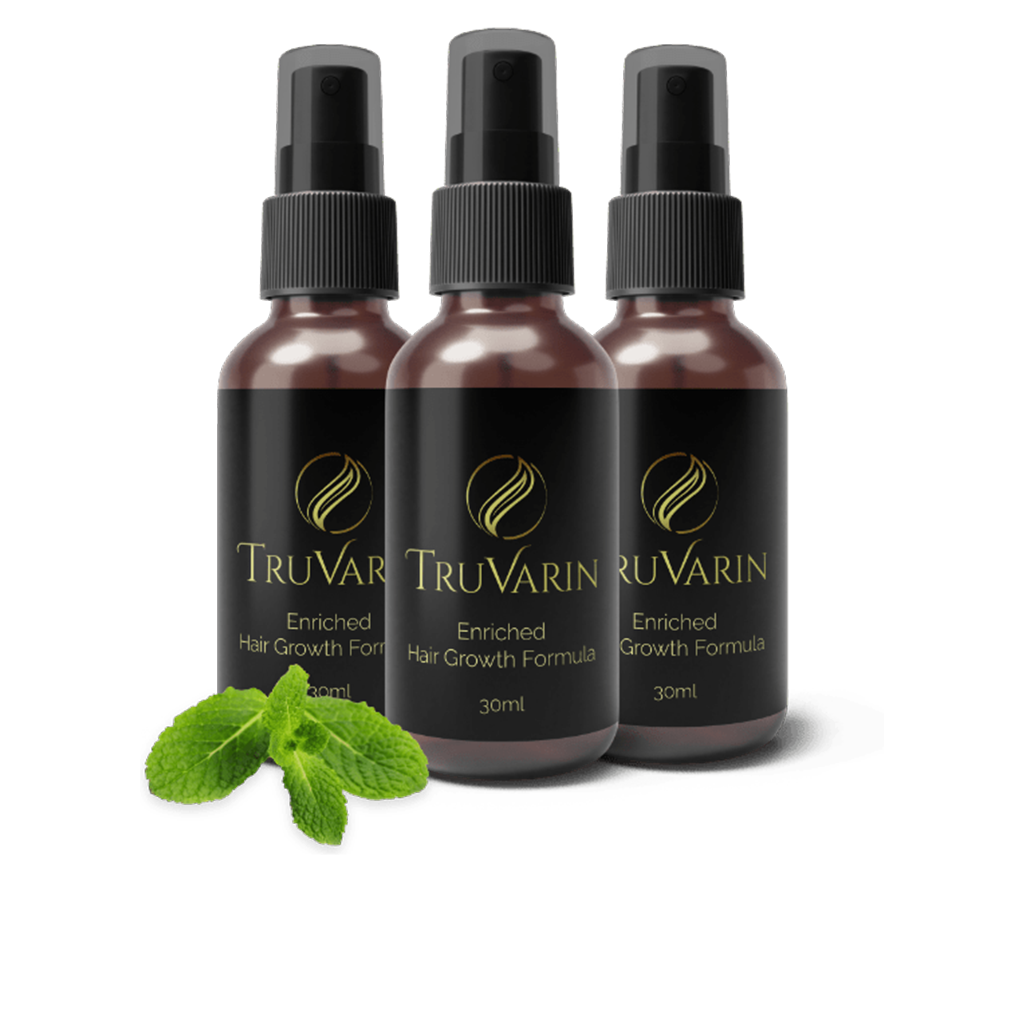
TruVarin
TruVarin is not a diet product: its targeted blend of botanical oils, saw palmetto and caffeine is made for scalp and hair appearance. Caffeine and saw palmetto are common scalp-care ingredients, while peppermint and plant oils help make the topical treatment part of a regular hair routine. With weight loss motivation, the product supports its specific everyday wellness goal as routines are maintained.

HepatoBurn
HepatoBurn brings silymarin, glutathione, berberine and choline into a multi-ingredient formula for liver-related metabolic and antioxidant support. Milk thistle and glutathione focus on liver antioxidant health, with berberine and choline adding a nutrient-metabolism component. With weight loss motivation, silymarin and betaine continue to focus on normal liver nutrient processing and antioxidant support.

AquaBurn
The AquaBurn botanical blend contains fucoxanthin, green tea, quercetin, resveratrol and turmeric, with ginger and ginseng contributing digestive and vitality support. The blend emphasizes antioxidant protection and energy processes through green tea, resveratrol, ginseng and seaweed carotenoids. With weight loss motivation, the product supports its specific everyday wellness goal as routines are maintained.
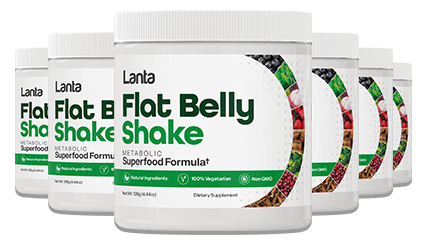
Flat Belly Shake
Flat Belly Shake is designed around the convenience of a prepared drink when planning breakfast, snacks and daily calorie intake. For meal planning, serving size and protein content matter more than the product name, because a satisfying shake needs adequate nutrients. During weight loss motivation, measured servings can help preserve a familiar meal structure.
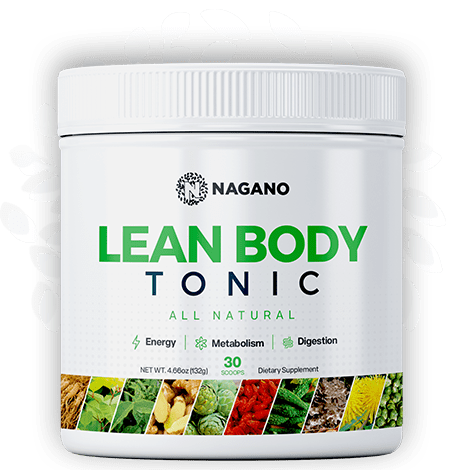
Nagano Tonic
Nagano Tonic is a powdered drink mix made with botanicals and nutrients including camu camu, green-tea EGCG, mangosteen, ginger and inulin. Its formula is promoted for daily metabolic, energy and digestive support; it is not a substitute for balanced nutrition or medical care. When comparing options alongside weight loss motivation, review the ingredient label and seller terms before ordering.
Measure trends without letting the scale run the day
Weight can change because of hydration, sodium, carbohydrate intake, digestion, menstrual-cycle shifts and recent exercise. Compare measurements taken under similar conditions and focus on a multiweek trend rather than interpreting every fluctuation as fat gain.
If weighing increases anxiety or triggers restrictive behavior, use another monitoring method or discuss the issue with a qualified professional. Consistency does not require daily scale use.
- If comfortable, weigh at a consistent time and compare weekly averages.
- Record one or two behaviors, such as planned meals or walking sessions.
- Measure waist circumference no more than periodically and in the same location.
- Note improvements in stamina, strength, sleep and clothing fit.
Run weekly reviews, not daily trials
Ask what worked, what repeatedly got in the way and which single adjustment would make next week easier. Keep effective parts of the plan instead of replacing everything after an imperfect result.
Know when weight loss needs clinical guidance
Seek professional advice before pursuing intentional weight loss if you are pregnant or breastfeeding, under 18, already at a low weight, managing an eating disorder, or taking medicines that affect appetite, blood glucose or blood pressure. People with kidney, liver, gastrointestinal or endocrine conditions may also need an individualized plan.
Prompt evaluation is appropriate for unintentional weight loss, fainting, persistent vomiting, severe weakness, chest pain, marked changes in thirst or urination, or rapid hair loss. Hair shedding can have many causes, including illness, nutritional shortfalls, thyroid disorders and the physical stress of rapid weight loss; a hair supplement is not a substitute for finding the cause.
- Bring a medication and supplement list to the appointment.
- Report the amount and timing of any unplanned weight change.
- Mention restrictive eating, binge episodes or fear associated with food.
- Ask whether your target and rate of loss are medically suitable.
Low weight changes the objective
Someone who is underweight or losing weight without trying may need nutritional restoration and diagnostic assessment rather than a calorie deficit. Online weight-loss plans should not override that need.
Frequently Asked Questions
No. Start with an action small enough to complete without much enthusiasm, such as preparing tomorrow’s breakfast or walking for five minutes. Repeated completion often creates momentum more reliably than waiting for a particular feeling.
No. Some people find trend data useful, while others do better with weekly weighing, waist measurements or behavior tracking. Choose a method that supplies useful feedback without worsening anxiety or disordered eating.
Usually not. It may temporarily raise scale weight through food volume, sodium and stored carbohydrate. Resume your regular plan at the next meal rather than fasting or using punishing exercise.