Troubleshoot a weight loss plateau without making extreme cuts
A short stretch of unchanged scale readings may reflect water and normal variation rather than a true halt in fat loss. Confirm the trend first, then audit consistency and change one variable at a time. During maintenance, stable strength, waist measurements and regular eating patterns may matter as much as the number on the scale.
Decide whether it is a real plateau
A few flat or higher weigh-ins do not establish a plateau. Hard training, salty meals, constipation, travel and menstrual-cycle changes can temporarily mask a change in body fat.
Use measurements collected under similar conditions and compare averages over several weeks. If the trend is still downward, even slowly, the plan may not need repair.
- Compare weekly averages rather than isolated readings.
- Note unusual sodium intake, soreness, travel and digestive changes.
- Check waist or clothing fit as a secondary measure.
- Avoid cutting food aggressively in response to one weigh-in.
Expect energy needs to change
A smaller body generally uses less energy, and daily movement can decline unconsciously during a diet. A plan that created a deficit earlier may eventually produce a smaller deficit or approximate maintenance.
Audit the plan before tightening it
Portion drift is common and morally neutral. Oils, sauces, drinks, restaurant meals, weekend eating and frequent tastes while cooking can materially change average intake without appearing in a weekday food plan.
Run a brief, honest audit rather than tracking forever. Also review adherence: the expected result of the written plan matters less than what happened most days.
- Measure calorie-dense foods for several days to recalibrate portions.
- Include beverages, condiments and cooking fats in the audit.
- Compare weekends with weekdays.
- Check whether hunger is leading to unplanned evening eating.
- Review sleep and stress patterns that make the plan harder to follow.
Do not assume metabolism is broken
Metabolic adaptation can reduce energy expenditure during weight loss, but a stall alone does not diagnose a metabolic disorder. Symptoms such as marked fatigue, cold intolerance or unexplained weight change should be discussed with a clinician rather than interpreted through supplement advertising. During maintenance, stable strength, waist measurements and regular eating patterns may matter as much as the number on the scale.
Recommended Products
Choose one measured adjustment
If a sustained plateau is confirmed and your target remains appropriate, make a modest change you can evaluate. Options include slightly reducing a recurring portion, increasing low-intensity daily movement or progressing resistance training.
Hold the rest of the routine steady long enough to interpret the result. Simultaneously cutting several meals and adding intense exercise makes the plan harder to sustain and obscures which change helped.
- Add a consistent walk or increase average daily steps gradually.
- Replace one low-satiety extra with fruit, vegetables or another filling option.
- Keep protein-rich foods distributed across meals.
- Progress strength training according to ability and recovery.
- Reassess the trend after a consistent trial rather than the next morning.
A maintenance interval can be strategic
If diet fatigue is high, a planned period around estimated maintenance may improve training, social flexibility and adherence. It is not a guaranteed way to boost metabolism, and the scale may rise temporarily as stored carbohydrate and water increase.
Recognize when further loss is not the right move
Escalating restriction is inappropriate when weight is already low, eating has become obsessive, menstrual periods have stopped, performance is deteriorating or symptoms of nutrient deficiency are developing. These signs call for evaluation and possibly a different goal.
Rapid or diffuse hair loss during an aggressive diet can occur after physiological stress or inadequate intake, but other causes are possible. A clinician can review diet, illness history, medications and possible laboratory testing; self-treating with an anti-hair-loss product can delay that assessment.
- Seek help for dizziness, fainting, weakness or persistent heart palpitations.
- Discuss missed periods, recurrent injuries or major performance decline.
- Report uncontrolled bingeing, purging or severe food restriction.
- Ask a registered dietitian to assess whether the current intake is nutritionally adequate.
Reconsider the endpoint
If maintaining the target demands constant hunger, social withdrawal or unsustainable exercise, the target may not fit your health and circumstances. A stable, functional weight can be a more useful outcome than the lowest attainable number.
Supplements for Weight Loss Motivation

LivPure
LivPure combines milk-thistle silymarin, betaine, berberine and glutathione with green-tea compounds to support normal liver function and fat metabolism. Choline and betaine support normal lipid metabolism, giving LivPure a liver-centered approach to weight-management wellness. With weight loss motivation, silymarin and betaine continue to focus on normal liver nutrient processing and antioxidant support.
Ikaria Juice
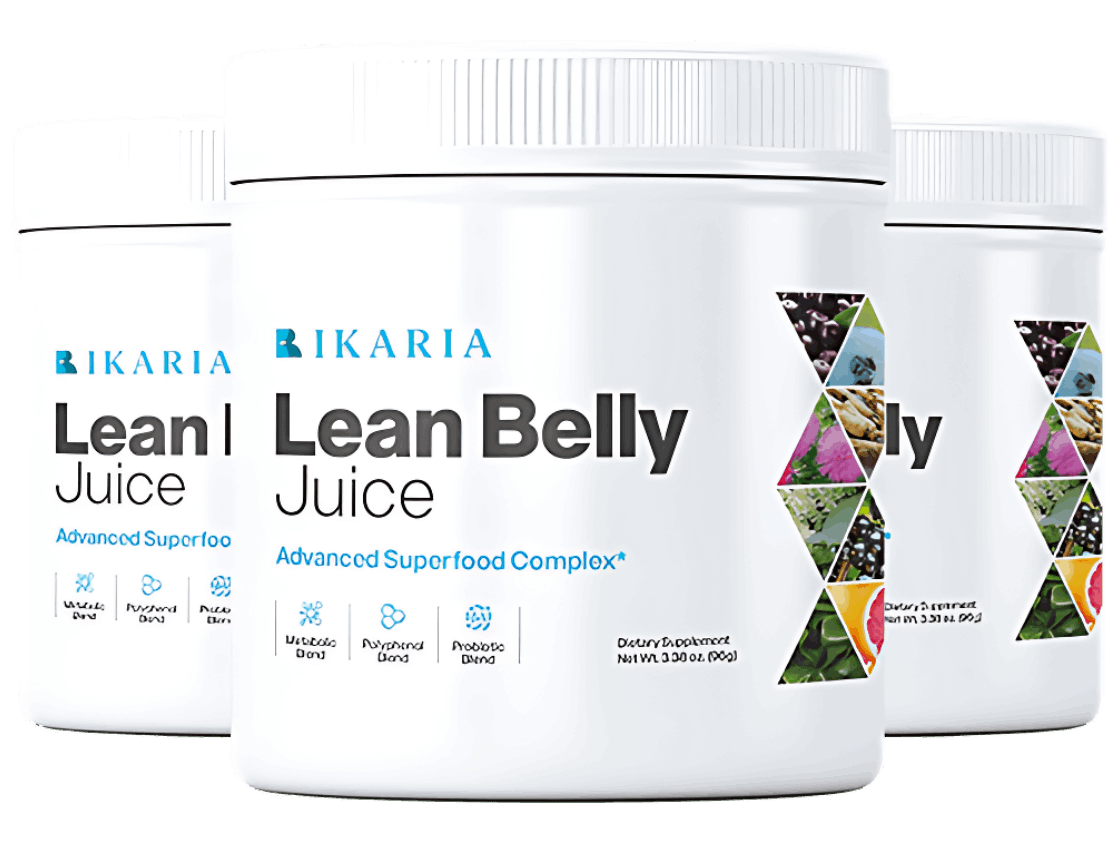
Ikaria Juice approaches weight-management wellness through botanical antioxidants, citrus pectin and an inulin-and-probiotic digestive blend. Prebiotic inulin and the probiotic blend address digestive balance, while green tea and citrus pectin add distinct botanical and fiber components. For weight loss motivation, daily inulin and probiotic support can complement a steady fiber intake and digestive routine.

Metabo Drops
Metabo Drops adds chlorogenic acid, green-tea extract, chromium, L-carnitine and L-theanine to coffee in an easy-to-mix liquid. The coffee-mix approach aims to support metabolic efficiency and steady daytime energy, with L-theanine helping balance alertness. For weight loss motivation, chromium, green-tea compounds and L-theanine offer a defined metabolism-and-energy focus during an established routine.
Java Burn
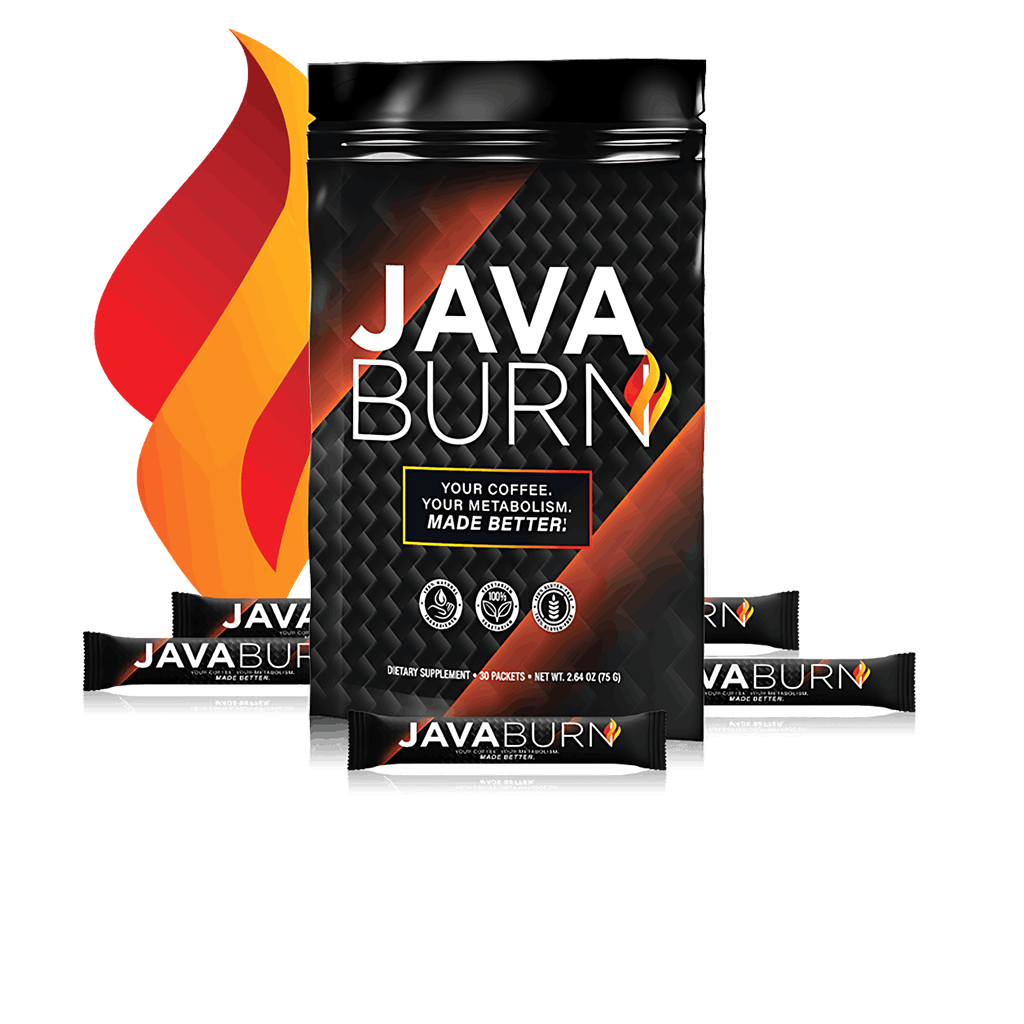
The Java Burn coffee formula brings together green tea, green coffee bean extract, chromium, L-carnitine and L-theanine to support everyday metabolic function and alertness. Green-tea catechins and green-coffee chlorogenic acids are its plant extracts, with chromium supporting normal carbohydrate, fat and protein metabolism. For weight loss motivation, chromium, green-tea compounds and L-theanine offer a defined metabolism-and-energy focus during an established routine.

TruVarin
The TruVarin oil is applied to the scalp and includes saw palmetto, peppermint, caffeine and green-tea extract for cosmetic hair support. Caffeine and saw palmetto are common scalp-care ingredients, while peppermint and plant oils help make the topical treatment part of a regular hair routine. With weight loss motivation, the product supports its specific everyday wellness goal as routines are maintained.

HepatoBurn
The HepatoBurn formula pairs liver-support nutrients such as choline and betaine with milk thistle, glutathione, green tea and resveratrol. Its liver-support ingredients work alongside green-tea polyphenols and chlorogenic acid in a formula aimed at normal fat processing. With weight loss motivation, silymarin and betaine continue to focus on normal liver nutrient processing and antioxidant support.

AquaBurn
AquaBurn uses plant polyphenols from green tea and resveratrol alongside seaweed-derived fucoxanthin, ginger and ginseng for metabolic and antioxidant wellness. Its botanical antioxidants include resveratrol, quercetin and turmeric, with Panax ginseng included for everyday vitality. With weight loss motivation, the product supports its specific everyday wellness goal as routines are maintained.
Flat Belly Shake
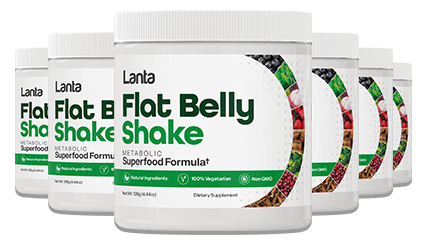
Flat Belly Shake is designed around the convenience of a prepared drink when planning breakfast, snacks and daily calorie intake. The main practical benefit is convenience and portion planning; it should be evaluated as food by checking the full nutrition panel. During weight loss motivation, measured servings can help preserve a familiar meal structure.

Nagano Tonic
Nagano Tonic is a powdered drink mix made with botanicals and nutrients including camu camu, green-tea EGCG, mangosteen, ginger and inulin. Its formula is promoted for daily metabolic, energy and digestive support; it is not a substitute for balanced nutrition or medical care. When comparing options alongside weight loss motivation, review the ingredient label and seller terms before ordering.
Frequently Asked Questions
Energy expenditure can decline with weight loss and restriction, while fatigue may reduce daily movement. However, a plateau does not prove that eating more will cause fat loss. Review the trend and actual intake, and seek individualized advice if restriction is severe.
It is one option, but more is not automatically better. First assess current activity, recovery, hunger and adherence. A modest increase in walking may be easier to sustain than frequent high-intensity sessions.
Not in response to daily fluctuations. Consider a modest adjustment only after a consistent multiweek trend, an adherence review and confirmation that continued loss is appropriate.